
Advertisement

Tourist tax removed from budget proposal
Copenhagen and Aarhus appear, for now, to avoid the overnight stay levy, while a new cruise tax is on the way.
Published
Modified
Plans for a tourist tax of DKK 20 per overnight stay in Copenhagen and Aarhus appear to have been shelved. The tax is not included in the government's proposed 2027 budget, which was presented on Friday. Nor was it included in the legislative programme for the coming parliamentary year, which the government presented on Tuesday.
HORESTA has campaigned against the tourist tax because it would make guests' stays more expensive and weaken the competitiveness of Danish tourism. It is therefore welcomed that the government has not included the tax in its proposal.
Advertisement
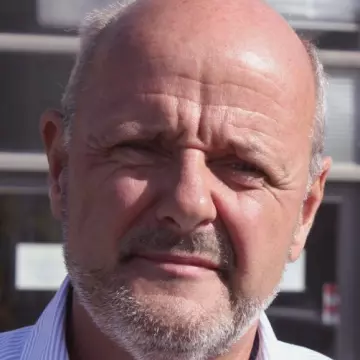
“It is the right and important decision that the government has scrapped the tourist tax. It would make Denmark more expensive to visit and risk costing revenue and jobs. Quite simply, it was a bad idea from a socio-economic perspective,” says Jeppe Møller-Herskind, chief executive of HORESTA.
He points out that tourism already makes a significant contribution to financing Danish society.
Advertisement
“Tourism already contributes more than DKK 50 billion a year to public coffers through VAT, taxes and duties, and Denmark already has some of Europe's highest taxes and duties. It is therefore difficult to see the sense in imposing yet another tax on guests' stays and thereby risking weakening precisely the activity that contributes so much to the economy,” says Jeppe Møller-Herskind.
Cruise levy should exempt guests starting or ending their journey in Denmark
Instead, the government proposes a levy of DKK 200 per passenger on cruise ships calling at Danish ports from 2028.
Advertisement
HORESTA will work to ensure that so-called turnaround calls are exempt. These are calls where guests begin or end their cruise in Denmark.
For HORESTA, the aim is to preserve the revenue that cruise guests generate for businesses on land.
“When guests begin or end their cruise here, it generates revenue for hotels, restaurants and experience businesses. A levy risks making Danish ports less attractive as starting and finishing points for cruises. As a result, we may miss out on far more than the port call itself. We will work to ensure that the government takes this into account,” says Jeppe Møller-Herskind.
Lower corporation tax from 2030
The proposed Finance Act also contains a number of proposals affecting companies’ finances and access to labour.
The government proposes reducing corporation tax by three percentage points from 2030. This will enable profitable companies to retain a larger share of their earnings for, among other things, investment and development.
HORESTA believes that the reduction should take effect earlier than 2030.
Shorter VAT deadlines may put pressure on companies’ liquidity
The government also proposes that all companies be given a deadline of 20 days to pay VAT.
For some companies, this will mean that VAT must be paid earlier than it is today. This may put pressure on liquidity and particularly challenge businesses with major seasonal fluctuations.
Another proposal is that companies must finance Danish language tuition for international employees. It is not yet clear which employees the scheme will cover.
International labour plays an important role in the tourism and experience industries. HORESTA will therefore work to ensure that the scheme does not make it unnecessarily expensive or difficult to recruit and retain employees.
For now, these are the government’s proposals. HORESTA is closely monitoring the budget negotiations and is working to ensure that improved framework conditions are not eroded by new costs and administrative burdens.


